
Eco-anxiety: causes and solutions related to global warming — UNIPA
The tool, created by an Italian teacher during a seminar in Vaslui, was implemented in January 2026 with 17 students aged 10 to 12. It addressed the themes of eco-anxiety and climate change, using emotions as a starting point to foster awareness and the capacity for action.
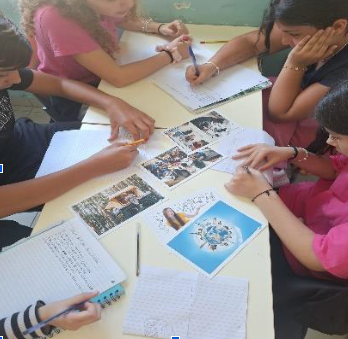
The activity began with a presentation of various images illustrating the effects of climate change. Students were asked to observe the images and write down the emotions they evoked in their notebooks. This initial phase revealed a shared difficulty in recognizing and verbalizing emotional states. The teacher then gathered the emotions that emerged, progressively expanding the students’ emotional vocabulary and revisiting terms introduced earlier.
The discussion focused primarily on feelings of sadness and distress regarding the plight of animals threatened by the consequences of human actions. Building on these emotions, the activity shifted toward a more proactive perspective: students analyzed various individual and collective actions that could help mitigate global warming.
Concrete behaviors applicable to daily life were identified, such as turning off lights when not needed, avoiding water waste, walking or cycling, and reducing heating usage.
The transition from worry to the possibility of taking action led to a significant shift in student engagement. Even pupils who were