From experimentation to validation — UNIPA
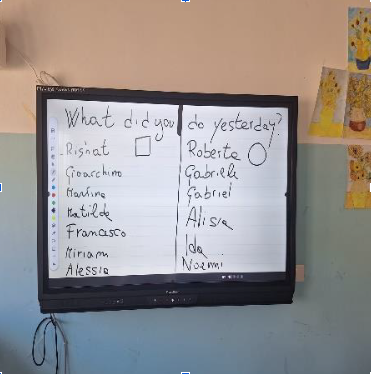
Implementing the three activities—conducted by Italian teachers with their students—made it possible to test the tools developed within the project across diverse educational settings, involving students aged 10 to 16 and integrating the activities into various subject areas.
Despite the diversity of these experiences, a common theme emerged: the intentional use of emotions within the educational process can foster greater student participation, support self-awareness, and contribute to building more positive relationships within the class group.
The teachers’ observations also highlighted a fundamental aspect regarding the validation of the tools: emotional education requires continuity. While a single activity can serve as an important starting point, developing emotional skills requires structured interventions that are repeated and monitored over time.
The implementation phase thus allowed not only for the testing of the developed tools but also for the gathering of valuable insights for their future use. These experiences confirmed the tools’ flexibility and adaptability across different age groups and disciplines, demonstrating how they can be integrated into educational curricula without separating emotional development from cognitive development.