
English as a Second Language — UNIPA
The second pilot project conducted by the Italian teachers—following their return from a seminar in Romania—involved 12 students aged 11 to 12 and integrated emotional education into the process of learning English as a second language.
The program began with an “emotional check-in”: before the first session started, each student answered the question “How are you feeling today?” and recorded their response in an *Emotion Diary*.
Next, “Feeling Face Cards” were used; through these, students learned new English emotion-related terms, matching them to the facial expressions shown in the images and attempting to mimic them. This activity helped break the ice and foster a participatory atmosphere, turning vocabulary learning into a shared, engaging experience.
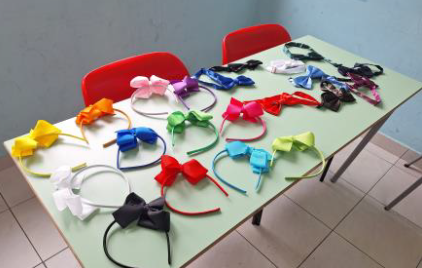
In the second session, after reviewing the emotion-related vocabulary, students freely chose a bow tie or a colored band that represented their current mood. Their choices revealed how the children assigned personal meanings to colors, without necessarily adhering to stereotypes or predefined associations.
Subsequent sessions focused on the non-verbal expression of emotions. Divided into two teams, students took turns acting out various emotions using facial expressions and gestures, while their classmates tried to identify them.
This activity enabled the linking of words, facial expressions, body language, and lived emotional experience, transforming the emotional aspect into a tangible tool to support language learning.
The shift in student engagement was particularly noteworthy: some children who initially described themselves as bored or tired gradually began to participate with enthusiasm and joy, actively engaging their bodies and emotions.
This experience further confirmed the need for sustained effort to bring about lasting changes in emotional competence. At the same time, it demonstrated how integrating emotional intelligence into a curricular subject can foster student participation, motivation, and active engagement.